Welcome.
PacSea is developing biodegradable, flexible packaging made from New Zealand seaweed — delivering the functionality of plastic, without the lasting environmental impact.
Welcome.
PacSea is developing biodegradable, flexible packaging made from New Zealand seaweed — delivering the functionality of plastic, without the lasting environmental impact.
PacSea
Welcome.
PacSea is developing biodegradable, flexible packaging made from New Zealand seaweed — delivering the functionality of plastic, without the lasting environmental impact.
PacSea
PacSea's Journey
Fighting the 200 Million tons of plastic waste floating in our oceans
PacSea's Journey
Fighting the 200 Million tons of plastic waste floating in our oceans
PacSea's Journey
Fighting the 200 Million tons of plastic waste floating in our oceans

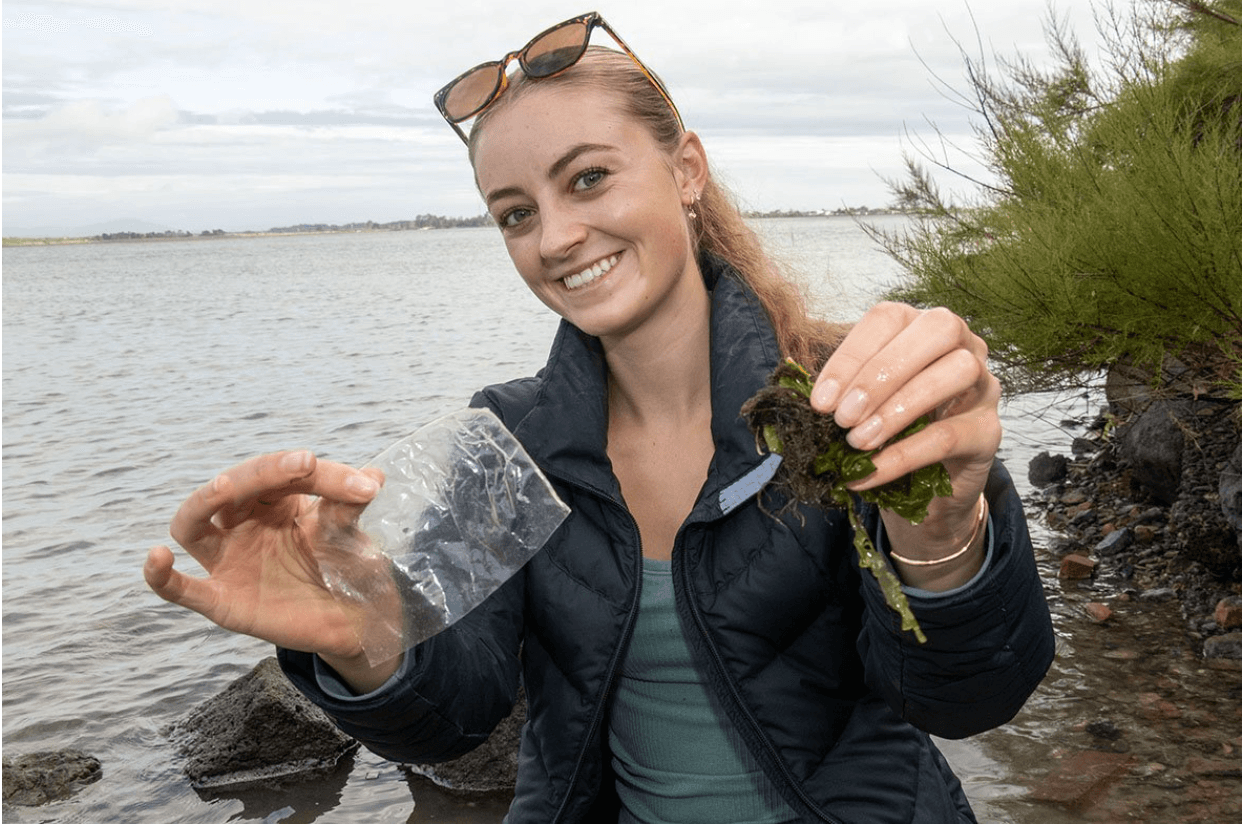
PacSea began as a childhood promise. Growing up in Sumner, Olivia Cooper set a goal at seven years old to work on solutions to climate change—an interest that naturally pulled her toward marine biology, seaweed, and eventually biochemistry at the University of Canterbury. The turning point came just days before a university venture programme deadline: with no business background but a clear problem to solve, she applied and started experimenting immediately—collecting fast-growing seaweed from the Avon-Heathcote Estuary and, through relentless trial and error, developing a thin, flexible seaweed-based film designed to replace petroleum plastics.
Since then, PacSea has moved from kitchen prototype to early validation. The material can be tailored for different applications—made thicker or thinner, heat-sealed, and adapted from soft wraps to firmer packaging formats. The first focus is bread packaging (bread bags and “window” films), because it’s a high-volume, practical starting point for local pilot trials. That traction is already building: PacSea has developed an initial prototype, gained media attention, and secured letters of intent from two Christchurch bakeries—clear early signals that local businesses want a compostable alternative that performs like plastic.
Looking ahead, PacSea’s ambition is to scale impact without forcing industry to rebuild. The long-term vision is to engineer the material so it can integrate into existing manufacturing workflows—ideally moving toward formats compatible with traditional processing (including the possibility of pellet-ready inputs). Near-term priorities are focused and practical: conduct R&D and lab trials to refine formulations, secure sustainability grants and research partnerships in New Zealand, and plan pilot trials with local businesses. From there, the roadmap steps toward pilot-scale manufacturing, certifications, and cost optimisation—then expanding applications and entering international markets where regulation and demand are accelerating the shift away from single-use plastics, starting with Australia and then highly sustainability-driven European markets.
PacSea began as a childhood promise. Growing up in Sumner, Olivia Cooper set a goal at seven years old to work on solutions to climate change—an interest that naturally pulled her toward marine biology, seaweed, and eventually biochemistry at the University of Canterbury. The turning point came just days before a university venture programme deadline: with no business background but a clear problem to solve, she applied and started experimenting immediately—collecting fast-growing seaweed from the Avon-Heathcote Estuary and, through relentless trial and error, developing a thin, flexible seaweed-based film designed to replace petroleum plastics.
Since then, PacSea has moved from kitchen prototype to early validation. The material can be tailored for different applications—made thicker or thinner, heat-sealed, and adapted from soft wraps to firmer packaging formats. The first focus is bread packaging (bread bags and “window” films), because it’s a high-volume, practical starting point for local pilot trials. That traction is already building: PacSea has developed an initial prototype, gained media attention, and secured letters of intent from two Christchurch bakeries—clear early signals that local businesses want a compostable alternative that performs like plastic.
Looking ahead, PacSea’s ambition is to scale impact without forcing industry to rebuild. The long-term vision is to engineer the material so it can integrate into existing manufacturing workflows—ideally moving toward formats compatible with traditional processing (including the possibility of pellet-ready inputs). Near-term priorities are focused and practical: conduct R&D and lab trials to refine formulations, secure sustainability grants and research partnerships in New Zealand, and plan pilot trials with local businesses. From there, the roadmap steps toward pilot-scale manufacturing, certifications, and cost optimisation—then expanding applications and entering international markets where regulation and demand are accelerating the shift away from single-use plastics, starting with Australia and then highly sustainability-driven European markets.
PacSea began as a childhood promise. Growing up in Sumner, Olivia Cooper set a goal at seven years old to work on solutions to climate change—an interest that naturally pulled her toward marine biology, seaweed, and eventually biochemistry at the University of Canterbury. The turning point came just days before a university venture programme deadline: with no business background but a clear problem to solve, she applied and started experimenting immediately—collecting fast-growing seaweed from the Avon-Heathcote Estuary and, through relentless trial and error, developing a thin, flexible seaweed-based film designed to replace petroleum plastics.
Since then, PacSea has moved from kitchen prototype to early validation. The material can be tailored for different applications—made thicker or thinner, heat-sealed, and adapted from soft wraps to firmer packaging formats. The first focus is bread packaging (bread bags and “window” films), because it’s a high-volume, practical starting point for local pilot trials. That traction is already building: PacSea has developed an initial prototype, gained media attention, and secured letters of intent from two Christchurch bakeries—clear early signals that local businesses want a compostable alternative that performs like plastic.
Looking ahead, PacSea’s ambition is to scale impact without forcing industry to rebuild. The long-term vision is to engineer the material so it can integrate into existing manufacturing workflows—ideally moving toward formats compatible with traditional processing (including the possibility of pellet-ready inputs). Near-term priorities are focused and practical: conduct R&D and lab trials to refine formulations, secure sustainability grants and research partnerships in New Zealand, and plan pilot trials with local businesses. From there, the roadmap steps toward pilot-scale manufacturing, certifications, and cost optimisation—then expanding applications and entering international markets where regulation and demand are accelerating the shift away from single-use plastics, starting with Australia and then highly sustainability-driven European markets.
Media
Where PacSea has featured in media so far
Media
Where PacSea has featured in media so far
Media
Where PacSea has featured in media so far
Otago Daily Times
Transforming seaweed into an ocean-friendly packaging alternative to plastic is a business project being developed by University of Canterbury biochemistry student Olivia Cooper
Otago Daily Times
Transforming seaweed into an ocean-friendly packaging alternative to plastic is a business project being developed by University of Canterbury biochemistry student Olivia Cooper
Otago Daily Times
Transforming seaweed into an ocean-friendly packaging alternative to plastic is a business project being developed by University of Canterbury biochemistry student Olivia Cooper
University of Canterbury
Teen biochemist turns seaweed into sustainable wrap

University of Canterbury
Teen biochemist turns seaweed into sustainable wrap
University of Canterbury
Teen biochemist turns seaweed into sustainable wrap
Summer Start Up Program
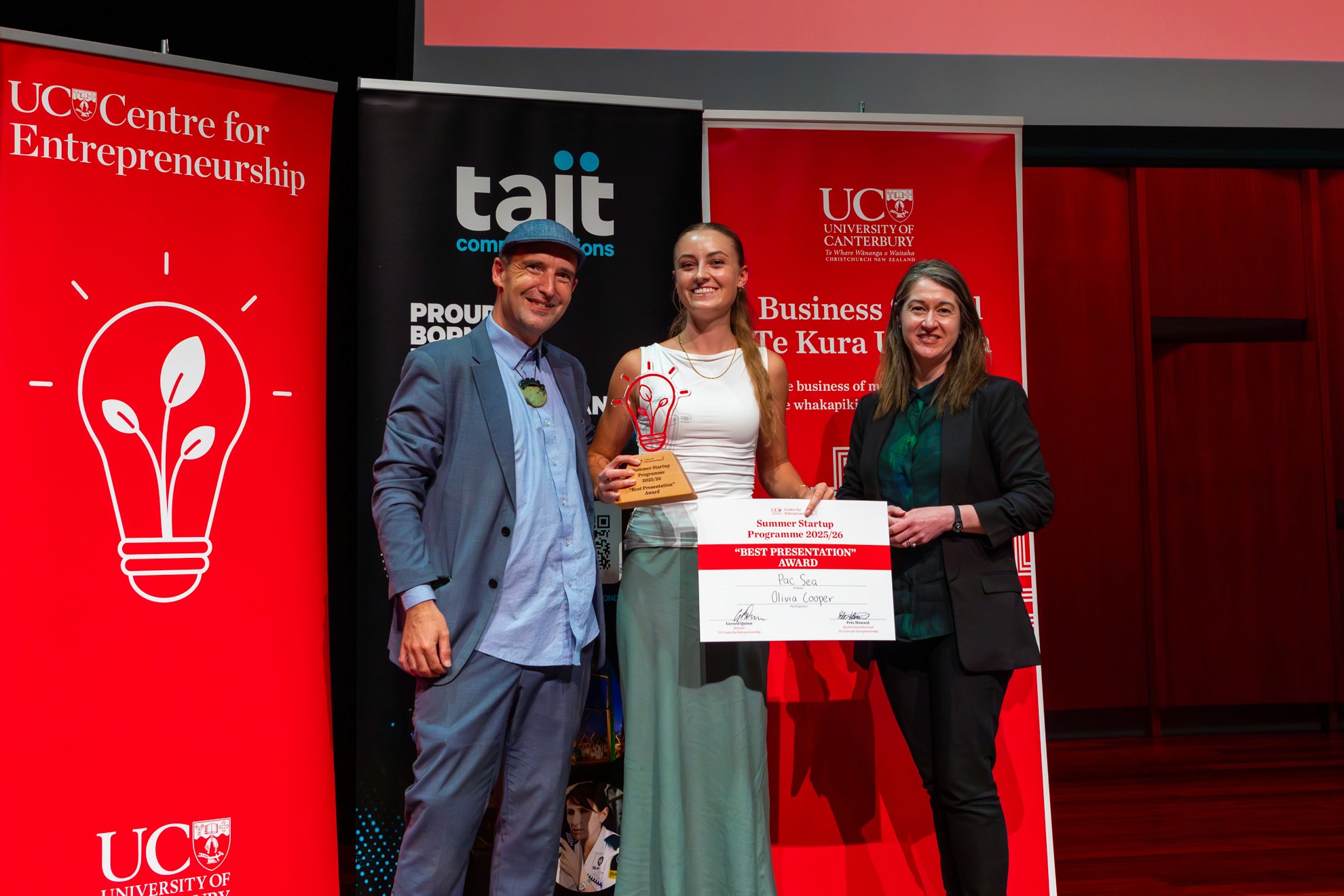
Impact Award, Best Presentation & People’s Choice – PacSea (formerly GreenShift Packaging) Olivia Cooper
Summer Start Up Program
Impact Award, Best Presentation & People’s Choice – PacSea (formerly GreenShift Packaging) Olivia Cooper
Summer Start Up Program
Impact Award, Best Presentation & People’s Choice – PacSea (formerly GreenShift Packaging) Olivia Cooper
Support
Support
Support
PacSea
Plastic changed the world. PacSea helps make sure it doesn’t change our environment too. We are just at the beginning and would appreciate any support anyone can give. If you think you fit into any of the categories listed and are keen to help, please reach out.